

Nyheter
The Aluminium Producers make a case

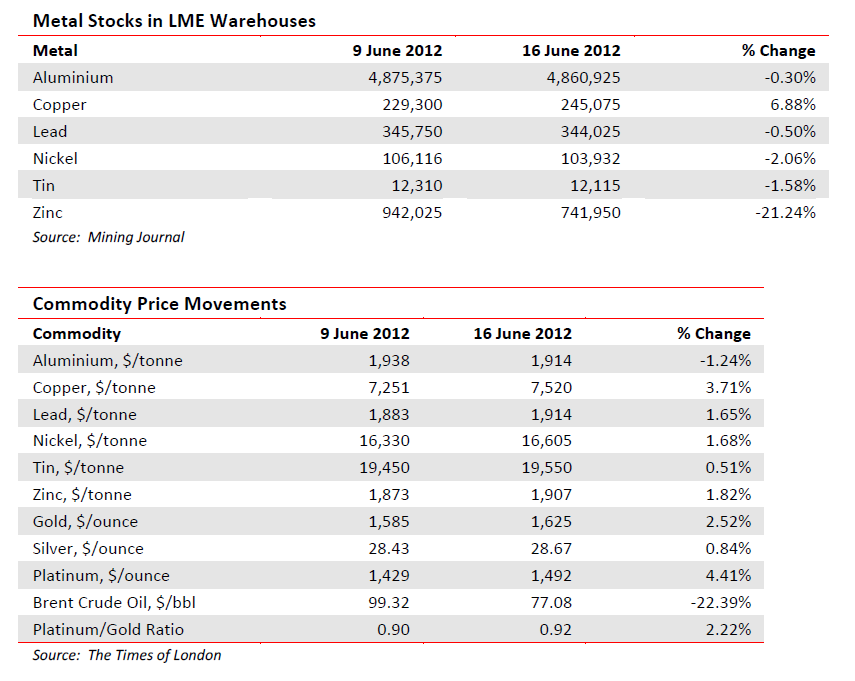
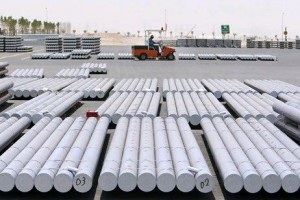 Whilst warehouse stocks scarcely stirred, prices for choice moved up, not much, but up. The involved producers all talked a good game. Rio Tinto said we shall face a supply deficit in aluminium in 2013. Alcoa says we are going to make car bodies out of that lightweight metal. Barclays Bank says commodity prices are in ‘no mans land’. S&P says there are rough times ahead for nickel and zinc. Who to believe and does it matter? Good thing it is not serious. Aluminium: just to remind, the world’s largest producers are:
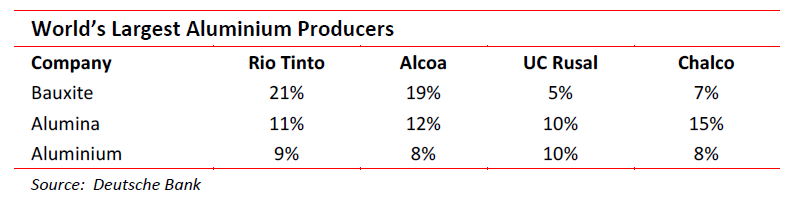
Rio says the high cost capacity cuts this year will give us a supply deficit in 2013. There has been zero growth on the supply side for some years, only low energy cost producers are in with a shout and the high cost ones are baling out.
Alcoa took 500,000t out at the start of this year, Norsk Hydro did 180,000t and Rio is also cutting back. But this is a 40Mtpa market with almost 5Mt in LME warehouses. Now, Alcoa is building a 740,000 tpa smelter in Saudi Arabia and China, 40% of world metal production, is producing regardless.
Aluminium Car Bodies. Not a new idea this. The reason why most units of Britain’s iconic Land Rover, first produced in 1948, are still running is that they had aluminium bodies. Its availability arose from the scrapping of wartime aeroplanes.
Not only was it cheap, it was, and still is, more malleable and lighter than steel. Rustproof, too. Then it became expensive when fuel was cheap and weight not a consideration. So steel took over. Now fuel is expensive and aluminium is relatively cheap again. Alcoa (No 2 in the metal’s production) says aluminium is making a comeback and its demand in the automobile market will double by 2025. Current demand is c 11.5 Mt out of a total usage of 40Mt or almost 30%. The other end uses will not go away so this could become an extra 12Mtpa. We presently have an oversupplied market, but the lead time to new mined and refined production can be up to 10 years. The current price languishes below $2000/t having seen almost $4000/t in 1990 and $3000/t in the heady 2006-9 period. Neither might this move please the carmakers if their units last 40 years instead fo 20. Gnashing of teeth, too, from the zinc miners whose major outlet is galvanising steel to rustproof it. This is one to watch.
Nickel, too, is in oversupply so mixed reaction to news of what might become a major mine in South Africa’s Bushveld Complex, home to most of the world’s platinum. Announced by AIM-quoted URU Metals (URU.L 5.25; Hi-Lo 11.0p-4.5p), they speak of 25,000 tpy metal at a price (quotes Mining Weekly) of almost $4/lb including CAPEX. That is about $8500/t compared with a current $16,600/t, itself a long way from historic highs. Buoyed by this they speak of an IRR of 25.7% and a 3.8 year payback. URU’s two partners are South Africa Nickel and BEE group UNMEX.
We were treated to mixed views on Zinc this week, the bullish one from Selwyn Resources which has a mega, low grade deposit in Canada’s Yukon Territory. The Selwyn story is based on the rapid rate of closure of some historic, high grade mines, particularly in Canada and the dearth of replacements, which it intends to rectify. As ever, the Chinese position is they key. That country is the largest metal producer (31% compared with No 2 Peru at 12%), consumer (43% vs the USA, next at 7%) and 3rd largest importer at 10% following Germany and USA. It shows little sign of abating but this has not reduced the near record level of warehouse stocks. Mining of zinc outside China has become two-way traffic. Anglo and Exxaro are exiting. The latter has completed the R931M ($110M) sale of its Namibian, Rosh Pinah mine to Glencore. That company is already the most potent force in zinc marketing. Should its merger with Xstrata take place, the combined group would control c.15% of world smelter production. That alone does not signify success; ask Rio with its grip on the aluminium market.
The London Metal Exchange, the oldest and largest of its type, has been bought by Hong Kong Exchanges and Clearing. They paid £1.4bn in a deal concluded Friday June 15th 2012. Now it should be upwards and onwards, with warehouses and open trading in China. Whilst the LME is big in physical metals, through its international network of warehouses, it also transacts about 20% of the futures business. The Chinese have always been a bit dubious of futures, considering them speculative. Wait until they get the hang of it.
[hr]
About David Hargreaves

David Hargreaves
David Hargreaves is a mining engineer with over forty years of senior experience in the industry. After qualifying in coal mining he worked in the iron ore mines of Quebec and Northwest Ontario before diversifying into other bulk minerals including bauxite. He was Head of Research for stockbrokers James Capel in London from 1974 to 1977 and voted Mining Analyst of the year on three successive occasions.
Since forming his own metals broking and research company in 1977, he has successfully promoted and been a director of several public companies. He currently writes “The Week in Mining”, an incisive review of world mining events, for stockbrokers WH Ireland. David’s research pays particular attention to steel via the iron ore and coal supply industries. He is a Chartered Mining Engineer, Fellow of the Geological Society and the Institute of Mining, Minerals and Materials, and a Member of the Royal Institution. His textbook, “The World Index of Resources and Population” accurately predicted the exponential rise in demand for steel industry products.








Christian Kopfer, analytiker på Arctic Securities, kommenterar läget på oljemarknaden till följd av kriget i Gulfen. Ännu så länge prisar marknaden in att situationen ändå löser sig, för fortsätter det 2-3 månader så går priset till 150-200 USD per fat.
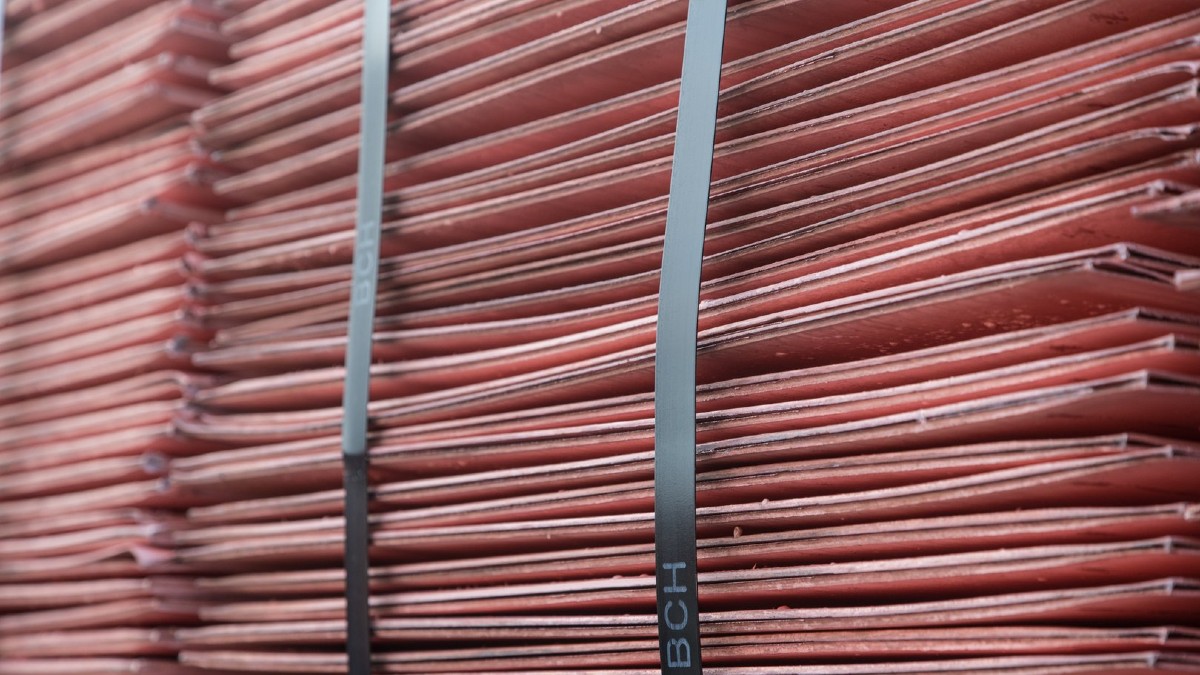
Johannes Grunselius, analytiker på SB1, lyfter fram koppar som den mest attraktiva råvaran i gruvsektorn just nu, och menar att det finns både starka strukturella och långsiktiga drivkrafter bakom efterfrågan. Historiskt har den globala efterfrågan på koppar vuxit med cirka 2–3 procent per år under de senaste 50 åren, men enligt honom står marknaden inför en ny fas där tillväxten kan accelerera till 3–4 procent årligen.
Denna uppväxling drivs framför allt av elektrifieringen av samhället. Koppar är en central komponent i allt från elnät och elfordon till den snabba utbyggnaden av datacenter kopplade till AI-investeringar. Det innebär att efterfrågan inte bara växer, utan gör det på ett mer strukturellt och långsiktigt sätt än tidigare.
Samtidigt pekar Grunselius på ett avgörande problem på utbudssidan. det finns inte tillräckligt med nya kopparprojekt för att möta den ökande efterfrågan. Den globala projektportföljen är otillräcklig, och det är enligt honom i praktiken “omöjligt” för industrin att öka produktionen i den takt som krävs. Slutsatsen blir att marknaden med stor sannolikhet går mot ett underskott, en global kopparbrist, inom några år.
Mot den bakgrunden blir stora nya fyndigheter extremt viktiga. Han lyfter särskilt fram Vicuna-projektet, där omkring 50 miljoner ton koppar har identifierats, motsvarande cirka två års global konsumtion. Det är den största kopparupptäckten på över 30 år och beskrivs som betydelsefull inte bara för enskilda bolag utan för hela industrin. Dessutom finns betydande inslag av guld och silver, vilket ytterligare stärker projektets ekonomiska värde.
Grunselius betonar också att kopparpriserna, trots viss nedgång från toppnivåer, fortfarande ligger på historiskt höga nivåer. Han menar att marknaden behöver börja betrakta dessa nivåer som ett “nytt normalt”, givet de starka fundamentala drivkrafterna i både efterfrågan och utbud.
Sammanfattningsvis är hans bild tydlig att kopparmarknaden står inför en period av strukturell tillväxt kombinerad med begränsat utbud, vilket skapar goda förutsättningar för fortsatt höga priser och gör koppar till en av de mest intressanta råvarorna för investerare.
I relation till koppar diskuterar Grunselius även utsikterna för Lundin Mining och Boliden.
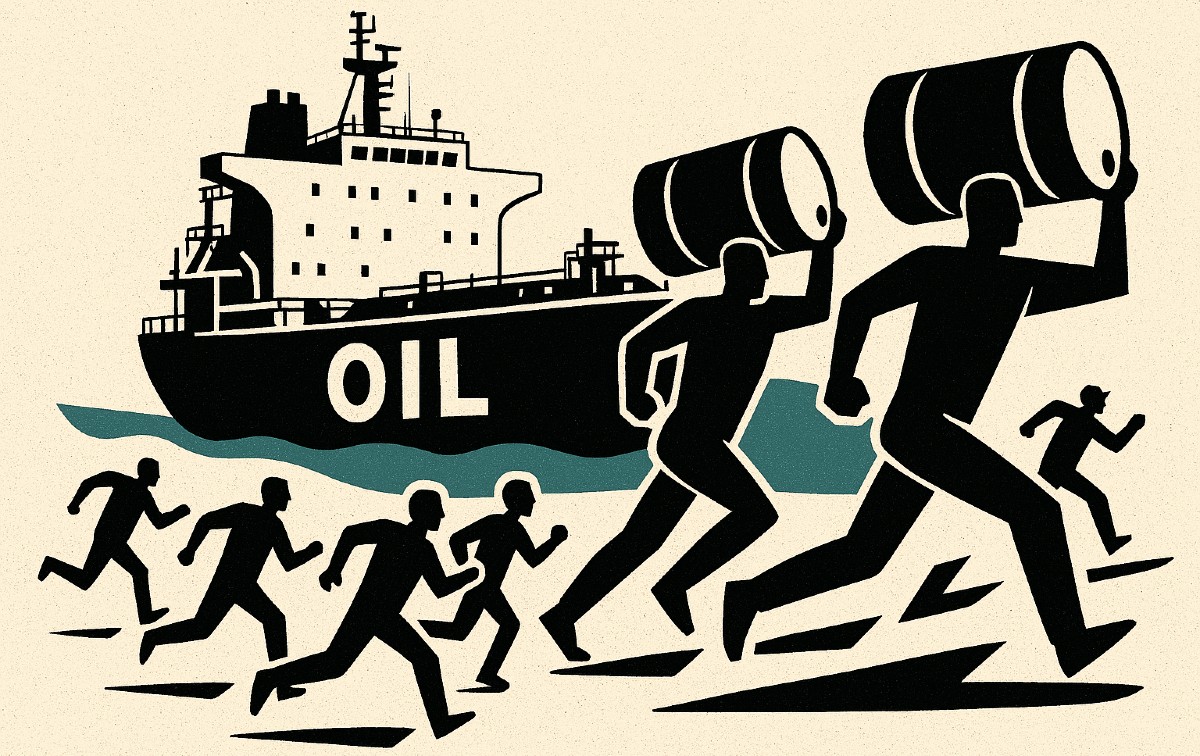
När man följer oljepriset så är det vanligtvis priset på terminen som är närmast förfall man tittar på. Den handlas på börsen, det finns en stor likviditet, har hög transparens och går till lösen inom varje månad. Det är dock bara 1-3 procent av terminerna som går till fysisk leverans, resten avvecklas finansiellt och positionen rullas vidare till nästa termin.
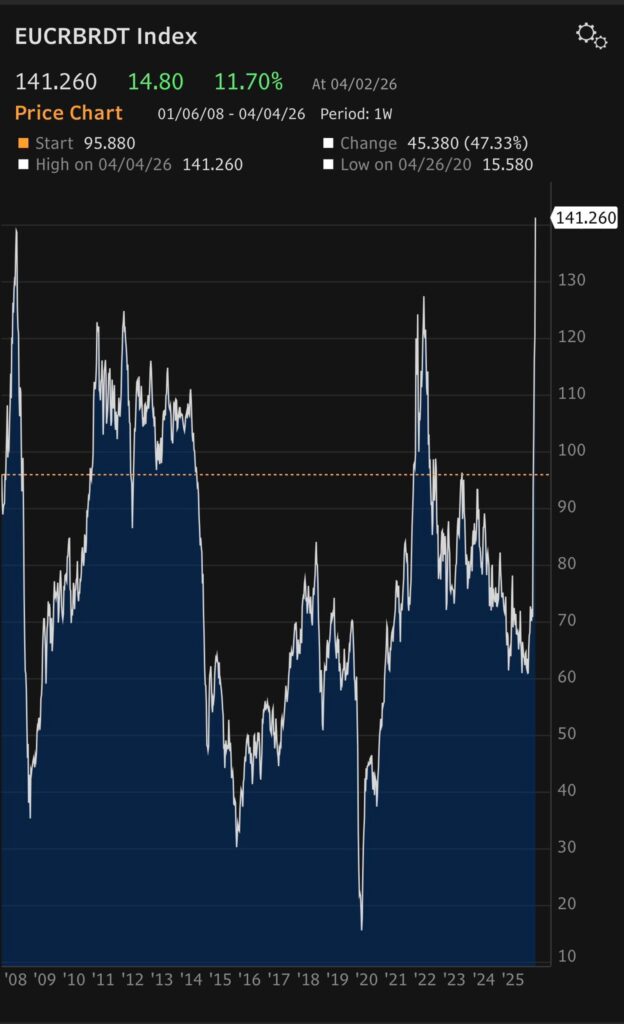
När marknaden börjar skaka kan det därför vara intressant att även titta på ”dated brent”, dvs spotpriset på brentolja med fysisk leverans, där leverans vanligtvis sker inom 10-25 dagar.
Terminspriset på brentolja är nu 109 USD per fat. Men dated brent-priset är 141 USD! Enligt grafen nedan är det det högsta priset någonsin. Medan andra uppgifter säger att rekordet fortfarande är juli 2008 då det var 147-148 USD. Oavsett vilket, den aktuella prisnivån är enormt hög och viljan att betala ett rejält högre pris än terminspriset tyder på att köpare upplever att det är fysisk brist på olja.



Christian Kopfer om läget för oljan

Marknaden måste börja betrakta de höga kopparpriserna som det nya normala

Det fysiska spotpriset på brentolja har slagit nytt rekord

40 minuter med Javier Blas om hur världen verkligen påverkas av energikrisen

Efter tillväxten: Guldbrev satsar på expansion i Europa
40 minuter med Javier Blas om hur världen verkligen påverkas av energikrisen

Elpriserna fördubblas, stor osäkerhet inför sommaren

MP Materials, USA:s svar på Kinas dominans över sällsynta jordartsmetaller
Det fysiska spotpriset på brentolja har slagit nytt rekord

Studsvik har idag ansökt om att få bygga 1200-1600 MW kärnkraft i Valdemarsvik
-
 Nyheter2 veckor sedan
40 minuter med Javier Blas om hur världen verkligen påverkas av energikrisen
-
 Nyheter4 veckor sedan
Elpriserna fördubblas, stor osäkerhet inför sommaren
-
 Nyheter4 veckor sedan
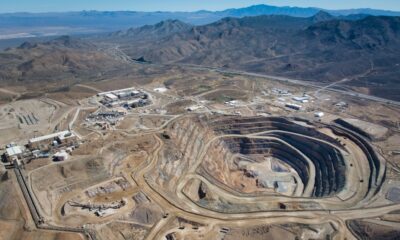
MP Materials, USA:s svar på Kinas dominans över sällsynta jordartsmetaller
-
 Nyheter2 veckor sedan
Det fysiska spotpriset på brentolja har slagit nytt rekord
-
 Nyheter4 veckor sedan
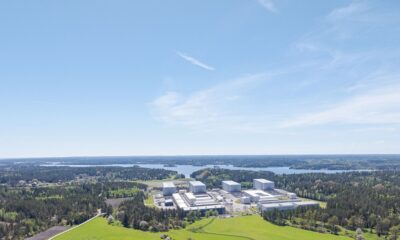
Studsvik har idag ansökt om att få bygga 1200-1600 MW kärnkraft i Valdemarsvik
-
 Nyheter2 veckor sedan
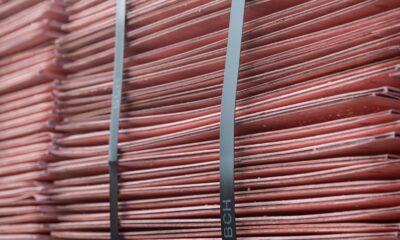
Marknaden måste börja betrakta de höga kopparpriserna som det nya normala
-

 Nyheter4 veckor sedan
Matproduktion är beroende av gödsel, Gulfkriget skapar brist
-
 Analys4 veckor sedan
TACO (or Whatever It Was) Sends Oil Lower — Iran Keeps Choking Hormuz