

Nyheter
David Hargreaves about precious metals, week 4 2012

 The sector remains as ever hostage to gold. Noted, the Pt/Au ratio is moving back in favour of platinum, but that might be as much to the woes of its mining grounds, RSA and Zim as anything else. And silver? The Au/Ag ratio, at 52 tells us the short-lived up-bursts of 2011, which saw it briefly clip $50/oz, will not be repeated. It would take a magnetic pull by gold to do that. Do we see one? Nobody objects to gold being in therapy, but it should at least stick with the same shrink for awhile. Mercifully, consensus views on its likely price extremes have narrowed, but they all concentrate on its highs. The upper end is now for it to “touch” $2500/oz before end 2012 but the authoritative CFMS opts more for $2000. The long shots say that if we crank up an economic recovery into 2013 then it will subside. None of this can accommodate the fears that might become reality.
The Euro crisis has been taken on board, so even a Greek default will not signal a panic, at best a flutter. Iran and an oil blockade. That would, whatever its outcome, create conditions for a spike. Chinese and Indian buying. We are becoming ever more reliant on these two sources, together mustering 40% of the world’s people, with rising spending power and an appetite for portable collateral.
We shall see a $1400/oz downside tested this year, we think.
Petropavlovsk (PDG, FTSE 690p Hi-Lo 1090p – 543p) produces its Q4 results on Jan 26th. It is targeting 600,000 oz for the 2011 year from its Russian gold operations. It did 447,200 oz to September, so has an achievable target. It has fallen with the sector this past year, but is tipped by Shares Magazine, a recommendation we endorse.
Cluff Gold (AIM CLF 90p up 20% Hi-Lo 126p-65p) enjoyed a strong rise this week coincident with its news of ‘significant’ new sulphide deposits at its Yaoure mine on the Ivory Coast. The company has other West African interests, is a producer and has driven management, notwithstanding the tribulations of the region.
Platinum still does not know why it is at a discount to gold. Production problems in RSA and Zimbabwe tightening the screws make supply vulnerable. The auto industry is burgeoning, so why the poor price performance? The push for production in South Africa’s Bushveld Complex did cause excess supply fears. The switch towards diesel cars means more palladium (thus Russia’s stockpile) and the move towards hybrids and bio fuels less of both catalytic ingredients.
But the industry has troubles a-plenty looming. Zimbabwe is threatening increased export royalties as well as indigenisation. The major companies are suffering through the double whammy of massive wage increases and a falling metal price. As a result Amplats, world No 1 at 36% of total production, warns of a 60%-70% plunge in 2011 basic earnings. It had been expecting “at least” $1800/oz in the year. Today it stares at $1530. It also lost its CEO, David Brown, abruptly and without a trailing reason. The earnings fall will impact on Anglo American, which holds 79% of Amplats. Some say a 2% hit.
RSA and Economic Zones. Perhaps with the distraction of Mr. Malema now sidelined, the country can get on with efforts to keep itself at the forefront of mining development. It is a slot it deserves. We note in Bulk Minerals its determination to maximise its silica industry. Now something similar is professed for platinum. A Special Economic Zone (SEZ) is proposed which will encompass nor only mining and refining but manufacturing and technology. They speak of fuel cells. Amplats is right behind this one and we would put our money on Johnson Matthey being not far behind.
Russia’s Polyus Gold, 37% owned by billionaire M. Prokhorov, sees no problem in the Russian Government allowing him to list in London. He is a close associate of V. Putin and has his eye on the Presidency too. A point to consider given recent exposés (eg ENRC): He might want London, but will London want him?
Lonmin, the world’s No.3 platinum miner has done a small but strategic private placing ($2.5M) with Canadian explorer Wallsbridge (LMI.L 1032p; Hi-Lo 1930-932p). It already holds 10.8M shares in the group which targets, in particular, PGMs in the Sudbury area of Canada. Wallbridge also has J/Vs with Xstrata and Impala Platinum.
India Ups Its Gold Import Duties. The world’s largest importer upped its gold duty 90% and doubled the tax on silver last week. At 2% and 6% respectively it is clearly not meant to dampen enthusiasm but to raise government revenues.
[hr]
About David Hargreaves
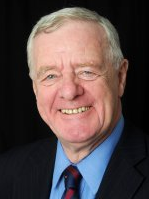
David Hargreaves
David Hargreaves is a mining engineer with over forty years of senior experience in the industry. After qualifying in coal mining he worked in the iron ore mines of Quebec and Northwest Ontario before diversifying into other bulk minerals including bauxite. He was Head of Research for stockbrokers James Capel in London from 1974 to 1977 and voted Mining Analyst of the year on three successive occasions.
Since forming his own metals broking and research company in 1977, he has successfully promoted and been a director of several public companies. He currently writes “The Week in Mining”, an incisive review of world mining events, for stockbrokers WH Ireland. David’s research pays particular attention to steel via the iron ore and coal supply industries. He is a Chartered Mining Engineer, Fellow of the Geological Society and the Institute of Mining, Minerals and Materials, and a Member of the Royal Institution. His textbook, “The World Index of Resources and Population” accurately predicted the exponential rise in demand for steel industry products.


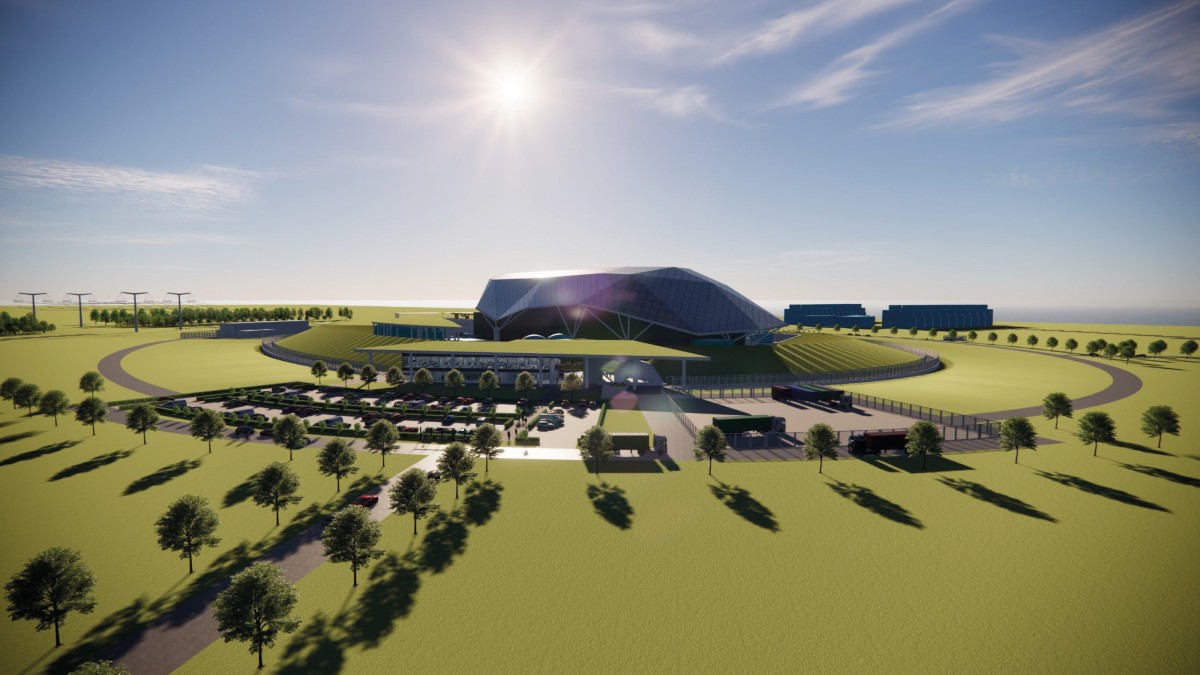
Vattenfall har utvärderat ett 70-tal alternativ för ny kärnkaft och till slut stod valet mellan BWRX-300 från GE Vernova Hitachi och en SMR från brittiska Rolls-Royce. Idag meddelade Vattenfall att man har valt Rolls-Royce och deras SMR på 470 MW.
Det är Vattenfalls och Industrikrafts kärnkraftsbolag Videberg Kraft som ska bygga tre nya SMR-reaktorer på Väröhalvön, intill Ringhals.
Reaktorerna kommer att byggas i serie och den första är planerad att stå klar i mitten av 2030-talet.
Det finns en tydlig logik i att bygga i serie i stället för parallellt. Västvärlden har tappat en stor del av sin förmåga att bygga kärnkraft, eftersom man upphört att bygga och personerna med erfarenhet har gått i pension eller lämnat jordelivet helt och hållet. Varje ny reaktor som nu byggs kommer att vara billigare än den föregående, i takt med erfarenheten och leveranskedjorna byggs upp igen. Rimligtvis kommer också den erfarenhet som nu kommer att byggas upp kring den aktuella SMR-modellen att delas med hela kontinenten så att inte varje land börjar helt från grunden. När det gäller leveranskedjor så kan vi redan se hur de byggs upp över hela västvärlden, där exempelvis svenska Alleima redan levererar stålkonstruktioner till amerikanska kärnkraftsbolag.
– Vi tar nu ett stort steg framåt tillsammans med Industrikraft och Videberg Kraft AB på resan mot ny kärnkraft i Sverige, för första gången på mer än 40 år. Ny kärnkraft är en viktig del av det svenska energisystemet och kommer att stödja industrins omställning och därmed stärka Sveriges långsiktiga konkurrenskraft, säger Anna Borg, styrelseledamot i Videberg Kraft och VD och koncernchef för Vattenfall.
Rolls-Royce SMR erbjuder ett industrialiserat koncept som bygger på beprövad tryckvattenreaktorteknik (PWR), samma typ av teknik som används vid Ringhals i dag. Det är inte en lika spännande lösning som flera av de andra alternativen, men genom att använda en grundteknik som har många årtionden av användning så förväntas det hela bli enklare.
SMR-konceptet innebär att byggnationen, inklusive montering, sker i en industrialiserad och kontrollerad miljö, vilket minskar risken för förseningar på plats.
– Vi är mycket glada över att kunna meddela att Rolls-Royce SMR har valts av Videberg Kraft. Vår samlade bedömning är att de erbjuder de starkaste förutsättningarna för att leverera ett framgångsrikt projekt. Detta har varit en mycket grundlig process, som också har granskats av en oberoende part. Vattenfall kommer att fortsätta ge vårt fulla stöd i det fortsatta arbetet, säger Martin Darelius, tillförordnad chef för ny kärnkraft på Vattenfall.
Storbritannien och Tjeckien
I april undertecknade Rolls-Royce SMR ett kontrakt med Great British Energy – Nuclear för att påbörja platsanpassad design och genomförande av Storbritanniens första SMR:er, initialt bestående av tre enheter vid Wylfa i norra Wales.
Ett så kallat Early Works-kontrakt med ČEZ har också ingåtts för att driva fram licensiering, tillståndsprocesser och platsanpassad design för etablering vid Temelín-anläggningen i Tjeckien.

Det råder speciella förutsättningar på elmarknaden just nu och allt styrs till största delen av vädret. Sol och bitvis god vindkraftsproduktion under maj, i kombination med svag hydrologi och begränsad kärnkraft har lett till stora svängningar i elpriset. Juni inleds liknande och idag tangerar elpriserna nivåer från krisåret 2022. Dock förväntas elpriserna gå ner då kärnkraften ökar.
Juni börjar med höga elpriser och orsakerna är brist på vindkraft, torra väderprognoser och mindre kärnkraft. Prisuppgången i maj var särskilt tydlig i norra Sverige, elområde 1 och 2, och ligger just nu nära en krona per kWh. I elområdena 3 och 4, södra Sverige, blev månadsmedelspotpriset för maj 35–40 procent högre jämfört med april men har rusat idag till nivåer på mellan 130–160 öre/kWh.
– Dagens höga priser visar tydligt på hur snabbt förändrade väderprognoser får genomslag på elpriset. Sommarens väder påverkar även priserna inför hösten och vintern. Ska det bli mer stabila elpriser behövs ett typiskt svenskt sommarväder, dvs. en blandning av regn, vind och sol, snarare än extremvärme och högtryck. Särskilt viktig är nederbörden i Norge och norra Sverige där vattenkraften dominerar, säger Jonas Stenbeck, privatkundschef på Vattenfall Försäljning.
Den hydrologiska balansen, dvs. det sammanlagda vatteninnehållet i snö, mark och magasin, är väldigt ansträngt efter en snöfattig vinter. Det stora underskottet håller i sig och är starkt beroende av mer nederbörd i närtid. På grund av pågående revisioner, bland annat Ringhals 3 och Forsmark 2, är elproduktionen från svensk kärnkraft begränsad just nu. Oskarshamn 3 har planerad återstart den 10 juni och Ringhals 4, som för närvarande producerar med halv effekt, går upp till full effekt den 12 juni. Det innebär att den installerade effekten då kommer att stiga från 40 till 60 procent i Sverige.
Det geopolitiska läget är fortsatt ett orosmoment men ryktet om ett fredsförslag har lugnat marknaden något. Gas- och oljepriserna fortsätter att falla och de stigande temperaturerna på kontinenten och den stora andelen solkraft kan ha en stabiliserande effekt.
| Medelspotpris | Elområde 1, Norra Sverige | Elområde 2, Norra Mellansverige | Elområde 3, Södra Mellansverige | Elområde 4, Södra Sverige |
| Maj 2026 | 46,36 öre/kWh | 48,95 öre/kWh | 70,86 öre/kWh | 87,05 öre/kWh |
| Maj 2025 | 14,09 öre/kWh | 15,09 öre/kWh | 42,94 öre/kWh | 60,01 öre/kWh |
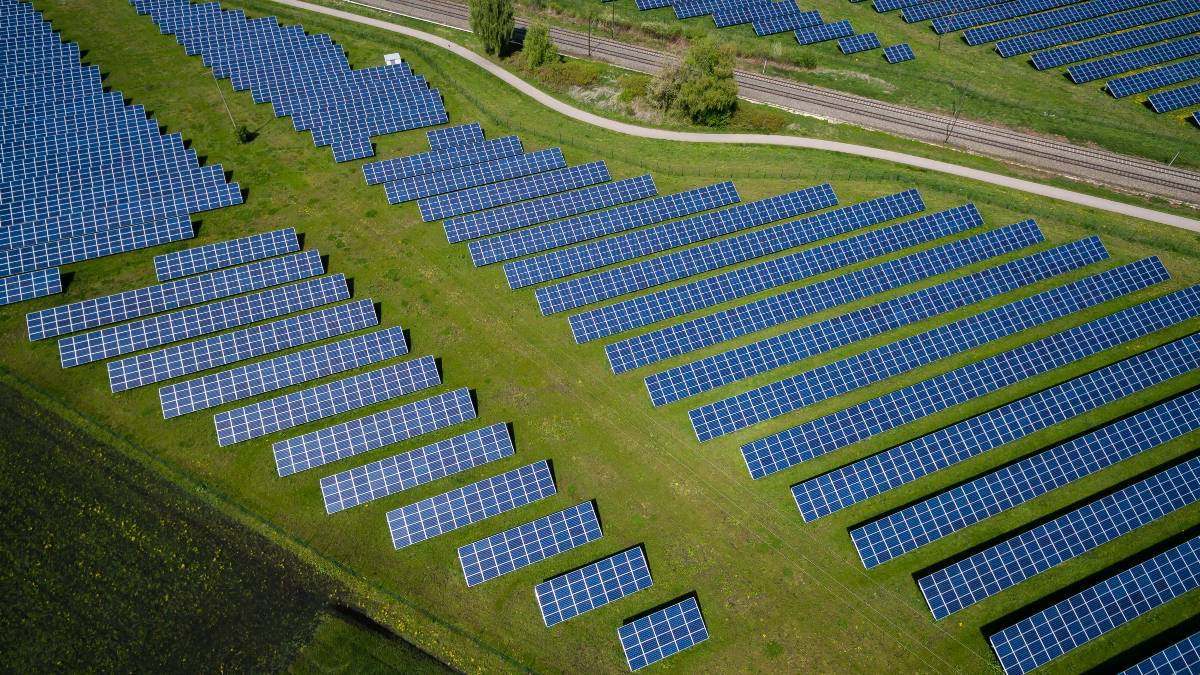
Snabba väderomslag har präglat elmarknaden i april, med både prisfall och pristoppar som följd. Samtidigt får solkraften allt större påverkan och pressar ner elpriserna, särskilt i södra Sverige.
Månadsmedelpriset för april på den nordiska elbörsen Nord Pool utan påslag och exklusive moms blev 58,66 öre/kWh i elområde 3, södra Mellansverige, och 22,75 öre/kWh i elområde 1, norra Sverige. På kontinenten syns den så kallade ankkurvan tydligt.
– Nu är solen helt klart på gång. I Tyskland har solen under april producerat nästan 2 TWh mer än ifjol vilket även gynnar oss i Sverige. Ankkurvefenomenet innebär att elpriset är lågt mitt på dagen och stiger raskt mot kvällen. Under perioder med soligt och varmare vårväder är solen ett välkommet inslag här hemma och det påverkar elpriserna nedåt. Den ökar produktionen och minskar konsumtionen, säger Jonas Stenbeck, privatkundschef på Vattenfall Försäljning.
De årliga, planerade underhållsarbetena på kärnkraftverken pågår, vilket innebär att den tillgängliga kapaciteten just nu är cirka 60 procent. Vinden var varierande under april, med snabba skiften mellan stilla och blåsiga perioder, vilket märktes på elpriset.
Den hydrologiska balansen i Norden, alltså det sammanlagda vatteninnehållet i snö, mark och magasin, är svag med betydande underskott i södra Norge. Men magasinsnivåerna i Sverige ligger kring normala nivåer för årstiden och har börjat fyllas på.
– Dock förväntas årets vårflod att, givet dagens förutsättningar, bli lägre än normalt då snötäcket är avsevärt mindre än vanliga nivåer. Vädret kommer avgöra hur väl vårfloden fyller magasinen inför sommaren, säger Jonas Stenbeck.
De höga gaspriserna har fallit något, samtidigt som stigande temperaturer på kontinenten och den stora andelen solkraft haft en stabiliserande effekt. Det geopolitiska läget är dock fortsatt ett orosmoment.
– Det vi sett är att marknaden är väldigt nyhetsdriven. Beroende av vad som rapporteras så reagerar marknaden direkt. Det gör att vi befinner oss i en väldigt speciell situation eftersom denna osäkerhet skapar svängiga och oförutsägbara bränslepriser, vilket i slutändan påverkar elpriset. Jag förstår att många känner en oro men i och med att det blir varmare så kommer man inte att behöva lika mycket el, vilket ger en lägre elkostnad, säger Jonas Stenbeck.
| Medelspotpris | April 2025 | April 2026 |
| Elområde 1, Norra Sverige | 14,39 öre/kWh | 26,09 öre/kWh |
| Elområde 2, Norra Mellansverige | 14,21 öre/kWh | 26,85 öre/kWh |
| Elområde 3, Södra Mellansverige | 37,61 öre/kWh | 56,08 öre/kWh |
| Elområde 4, Södra Sverige | 58,35 öre/kWh | 66,55 öre/kWh |
*Ankkurva: Ankkurvan beskriver hur elproduktionen från förnybara energikällor, som solenergi, påverkar elnätet och elanvändningen över en dag. Kurvan har fått sitt namn eftersom grafen under en dag liknar profilen av en anka.




Vattenfalls och Industrikrafts kärnkraftsbolag Videberg Kraft har valt Rolls-Royce SMR
Selling down on a ”deal”
Sommarväder skapar prisrally på elbörsen
Oil product price pain is set to rise as the Strait of Hormuz stays closed into summer

Solkraften pressar elpriserna dagtid
Oil product price pain is set to rise as the Strait of Hormuz stays closed into summer
Sommarväder skapar prisrally på elbörsen
Vattenfalls och Industrikrafts kärnkraftsbolag Videberg Kraft har valt Rolls-Royce SMR
Selling down on a ”deal”
-
Analys4 veckor sedan
Oil product price pain is set to rise as the Strait of Hormuz stays closed into summer
-
Nyheter2 veckor sedan
Sommarväder skapar prisrally på elbörsen
-
 Nyheter2 dagar sedan
Vattenfalls och Industrikrafts kärnkraftsbolag Videberg Kraft har valt Rolls-Royce SMR
-
Analys3 dagar sedan
Selling down on a ”deal”