

Nyheter
Beowulf Mining sets the drill rigs turning once again at Kallak North

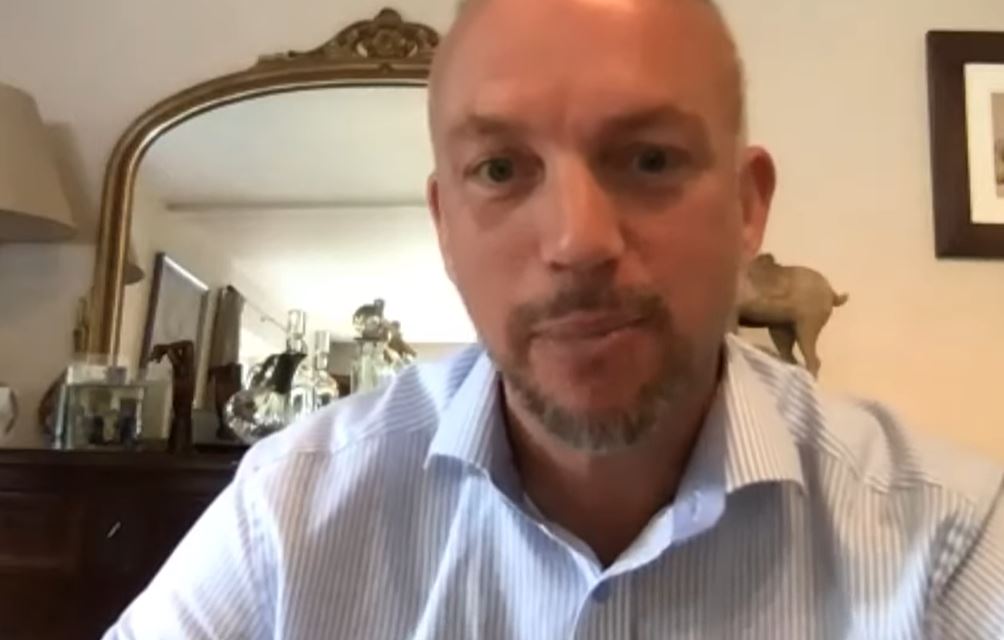
“Drilling has gone well”, says Clive Sinclair-Poulton of Beowulf Mining. “We started drilling in May and put a second rig in place in June.”. The subject of Beowulf’s attentions is the Kallak North iron ore project in Norrbotten County, northern Sweden.
Drilling at Kallak
So far the company has been able to identify a resource of 131.6 million tonnes of ore grading 28% iron. But there should be plenty more to come.
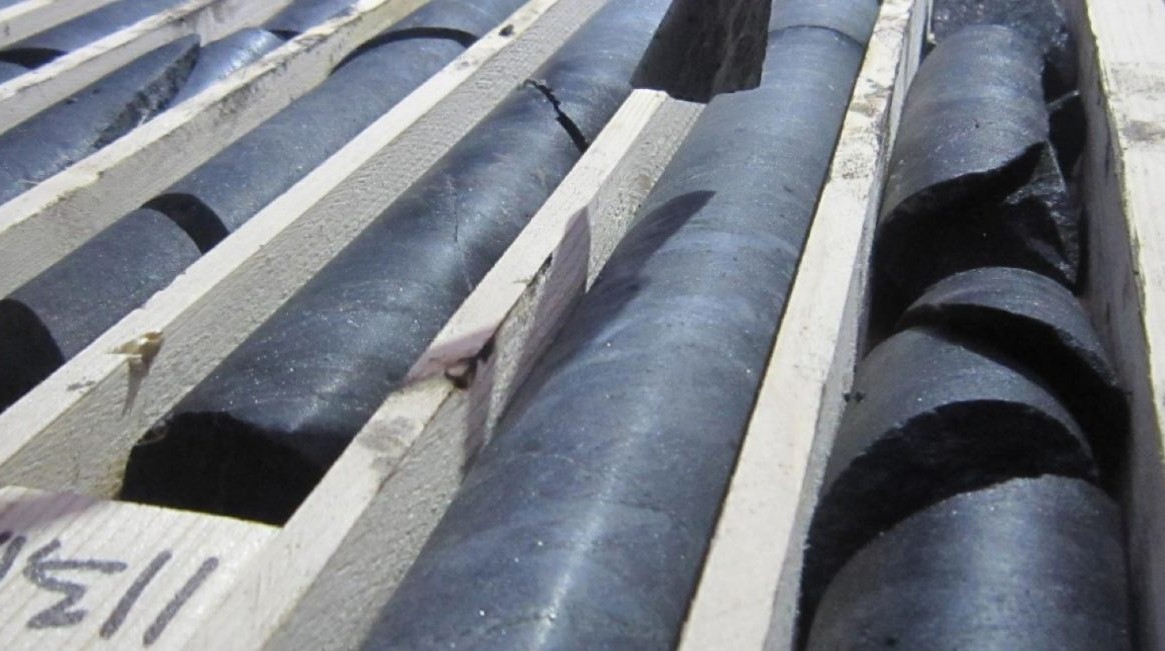
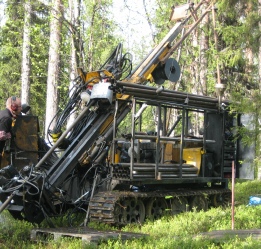 Already the signs from the ongoing drilling are beginning to come in, and they’ve been highly encouraging. “Our JORC resource was based on drilling to 250 metres”, says Clive, “but the latest intersections show 350 vertical metres of iron ore.”
The full assay results won’t be out until next month, but, local conditions allowing, progress after that ought to be pretty rapid. “We’ll do a JORC upgrade at Kallak as soon as possible”, says Clive. At the same time, the company also plans to start work again on the contiguous ground at Kallak South, where a previous drilling produced mixed results because, says Clive, “we weren’t drilling in the correct areas”.
This time round, he’s hopeful the drilling will be more effectual, and that a maiden JORC resource for Kallak South can be put together early next year. “I want to be in a situation where we have tonnage on both North and South Kallak”, says Clive. By that time a scoping study should be underway, and the company will be thinking about test production.
Precisely what that will show remains to be seen, but Clive is optimistic. “If we get the tonnage we have a 60 year life. It’s 40 clicks to get to the rail network of northern Sweden.” The rail network can then provide access either to Narvik on the Norwegian coast or Luleå on the Baltic coast, depending on what sort of deal Beowulg eventually strikes in regard to the final destination for the ore.
Clive has long been in dialogue with potential customers in the Far East, although he won’t be drawn into a deal quite yet. He’s waiting for two things. One, for more progress on Kallak. And two, for further improvement in the iron ore market, which he remains firmly bullish about.
In fact, iron ore hasn’t been doing too badly of late, as the Chinese are beginning to realise that some projects that had been likely to add to global supply are now not likely to come on stream. The Brazilian champion Vale is a case in point. Vale recently outlined its iron ore plans for the next five years, and these show a significantly lower production increase than had been expected. What’s more, says Clive, fairly soon India will become an importer. It’s currently the third largest exporter.
It all makes for relative strength in the iron ore space, at a time when other sectors are looking distinctly shaky, including equities markets. Beowulf has not been immune to this, as its shares have dropped by around 80 per cent since they hit a 12 month high of 50p back in October last year. But although the wider negative market sentiment hasn’t’ helped, the company has also face some quite specific issues which have rubbed off the value.
First off it was sanctioned by the authorities for drilling without a permit. Clive is blunt about this. “Mea culpa”, he says. “As Dan Maskell would have said, it was an ‘unforced error’.” Procedures are now in place to ensure such a mistake doesn’t happen again. More significant has been the deterioration of relations with the local indigenous group, the Saami community The Saami are worried about their ability to drive reindeer across the land, and the impact Beowulf’s operations are likely to have on their migratory patterns.
“Dialogue is very difficult”, says Clive, “although in all of Sweden there are only 20,000 Saami.” The Beowulf plan is to set up a fund for the benefit of all residents of the Jokkmokk region in which it operates, not just the Saami. In the meantime Clive is confident that the Mines Inspectorate will broker a compromise when disagreements arise, as it has done in the past.
In the meantime, the drill rigs continue to turn, and funding, at least for the moment, is not a worry. “We are in a strong position”, says Clive. “We have the funds in place to do the drilling. On our current drilling campaign the money won’t run out.” It’ll be interesting to see what sort of the results the campaign comes up with, and how much closer they take Beowulf to its eventual target of 500 million tonnes.



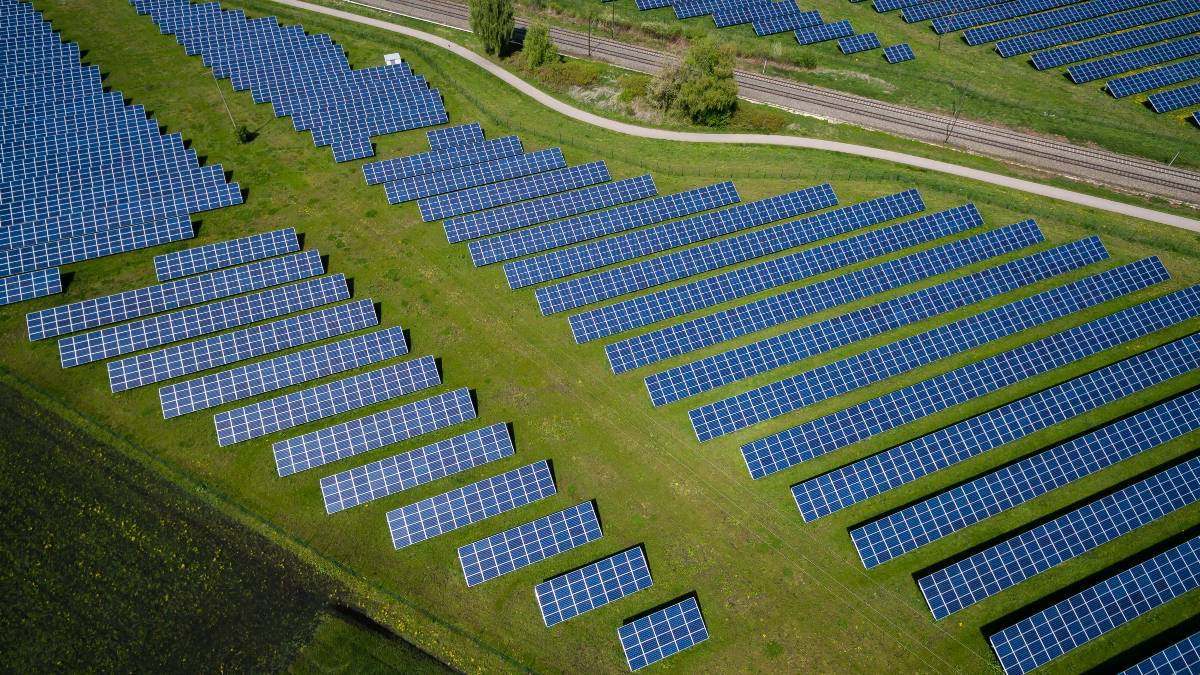
Snabba väderomslag har präglat elmarknaden i april, med både prisfall och pristoppar som följd. Samtidigt får solkraften allt större påverkan och pressar ner elpriserna, särskilt i södra Sverige.
Månadsmedelpriset för april på den nordiska elbörsen Nord Pool utan påslag och exklusive moms blev 58,66 öre/kWh i elområde 3, södra Mellansverige, och 22,75 öre/kWh i elområde 1, norra Sverige. På kontinenten syns den så kallade ankkurvan tydligt.
– Nu är solen helt klart på gång. I Tyskland har solen under april producerat nästan 2 TWh mer än ifjol vilket även gynnar oss i Sverige. Ankkurvefenomenet innebär att elpriset är lågt mitt på dagen och stiger raskt mot kvällen. Under perioder med soligt och varmare vårväder är solen ett välkommet inslag här hemma och det påverkar elpriserna nedåt. Den ökar produktionen och minskar konsumtionen, säger Jonas Stenbeck, privatkundschef på Vattenfall Försäljning.
De årliga, planerade underhållsarbetena på kärnkraftverken pågår, vilket innebär att den tillgängliga kapaciteten just nu är cirka 60 procent. Vinden var varierande under april, med snabba skiften mellan stilla och blåsiga perioder, vilket märktes på elpriset.
Den hydrologiska balansen i Norden, alltså det sammanlagda vatteninnehållet i snö, mark och magasin, är svag med betydande underskott i södra Norge. Men magasinsnivåerna i Sverige ligger kring normala nivåer för årstiden och har börjat fyllas på.
– Dock förväntas årets vårflod att, givet dagens förutsättningar, bli lägre än normalt då snötäcket är avsevärt mindre än vanliga nivåer. Vädret kommer avgöra hur väl vårfloden fyller magasinen inför sommaren, säger Jonas Stenbeck.
De höga gaspriserna har fallit något, samtidigt som stigande temperaturer på kontinenten och den stora andelen solkraft haft en stabiliserande effekt. Det geopolitiska läget är dock fortsatt ett orosmoment.
– Det vi sett är att marknaden är väldigt nyhetsdriven. Beroende av vad som rapporteras så reagerar marknaden direkt. Det gör att vi befinner oss i en väldigt speciell situation eftersom denna osäkerhet skapar svängiga och oförutsägbara bränslepriser, vilket i slutändan påverkar elpriset. Jag förstår att många känner en oro men i och med att det blir varmare så kommer man inte att behöva lika mycket el, vilket ger en lägre elkostnad, säger Jonas Stenbeck.
| Medelspotpris | April 2025 | April 2026 |
| Elområde 1, Norra Sverige | 14,39 öre/kWh | 26,09 öre/kWh |
| Elområde 2, Norra Mellansverige | 14,21 öre/kWh | 26,85 öre/kWh |
| Elområde 3, Södra Mellansverige | 37,61 öre/kWh | 56,08 öre/kWh |
| Elområde 4, Södra Sverige | 58,35 öre/kWh | 66,55 öre/kWh |
*Ankkurva: Ankkurvan beskriver hur elproduktionen från förnybara energikällor, som solenergi, påverkar elnätet och elanvändningen över en dag. Kurvan har fått sitt namn eftersom grafen under en dag liknar profilen av en anka.
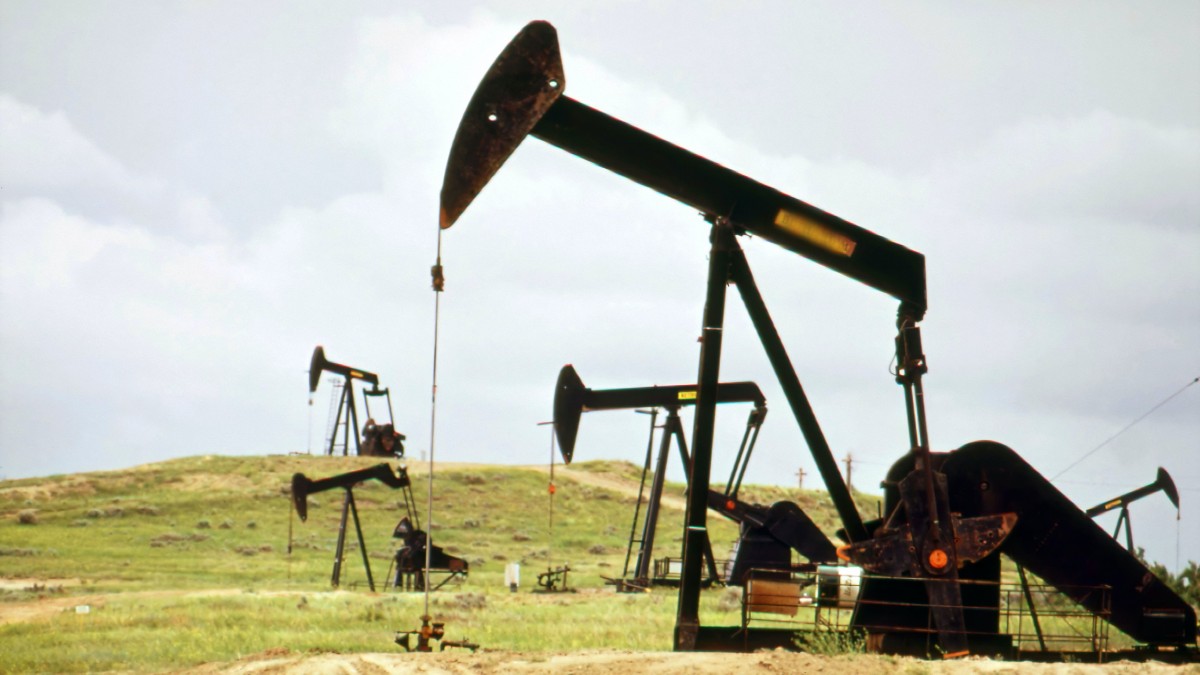
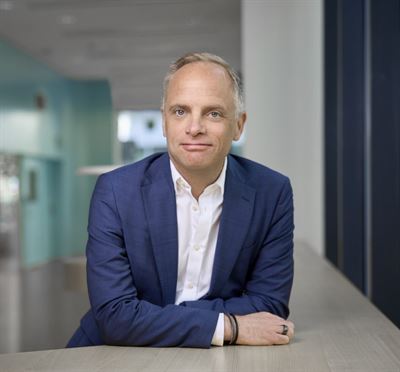
Råvaran olja handlas fortsatt över 100 USD per fat och det är något stökigt med prissättningen. Michel Gubel ger sin syn på läget för oljan, att priskurvan kan vara i contango och backwardation, samt vad som kan hända med olja på längre sikt.

Den norrländska vårfloden väntas dra igång den här veckan och pågå fram till slutet av maj. Att den är ovanligt svag i år bidrar till att elpriset i system fram till midsommar blir ungefär dubbelt så högt som under samma period i fjol. Det visar Bixias elprognos för maj och juni.

Efter en relativt dyr april väntas systempriset landa på 55 öre per kilowattimme i maj och 50 öre i juni, att jämföra med 31 respektive 21 öre förra året.
– Vi har inte haft så lite snö någon vinter sedan 2019 och det syns tydligt i vårfloden. Den prispress vi normalt sett räknar med den här tiden på året blir betydligt svagare än vanligt. Dessutom ligger bränslepriserna på en högre nivå än i fjol på grund av oron i Mellanöstern, vilket spiller över på de svenska elpriserna, säger Johan Sigvardsson, elprisanalytiker på Bixia.
Den hydrologiska balansen ligger på minus 20 terawattimmar, jämfört med ett överskott på 5–10 terawattimmar vid samma tidpunkt i fjol. Tillrinningen väntas kulminera på ungefär 7 terawattimmar per vecka i slutet av maj, långt under ett normalår.
Hur elpriserna utvecklas under resten av 2026 beror i hög grad på hur blöt sommaren blir. Terminspriset för fjärde kvartalet ligger på runt 70 öre per kilowattimme, vilket speglar marknadens oro inför hösten.
– Det krävs fyra till fem blöta veckor för att ta igen underskottet och fylla på vattenmagasinen. Det finns indikationer på att sommaren kan bli torr i mellersta och södra Skandinavien, men osäkerheten är stor. Om det blir så lär priserna stiga ytterligare, säger Johan Sigvardsson.
Elpris april–juni 2026 jämfört med utfall 2025 (öre/kWh)
| Område | Apr 2026 | Apr 2025 | Maj 2026 | Maj 2025 | Juni 2026 | Juni 2025 |
| System | 70 | 35 | 55 | 31 | 50 | 21 |
| SE1 | 27 | 14 | 27 | 14 | 23 | 3 |
| SE2 | 28 | 14 | 29 | 15 | 24 | 5 |
| SE3 | 50 | 38 | 57 | 43 | 47 | 23 |
| SE4 | 62 | 58 | 66 | 60 | 59 | 41 |



Solkraften pressar elpriserna dagtid

Michel Gubel ger sin syn på oljemarknaden
Svag vårflod dubblar elpriserna
Brent crude up USD 9/bl on the week… ”deal around the corner” narrative fades
Market Still Betting on Timely Resolution, But Each Day Raises Shortage Risk
Market Still Betting on Timely Resolution, But Each Day Raises Shortage Risk
Brent crude up USD 9/bl on the week… ”deal around the corner” narrative fades
Michel Gubel ger sin syn på oljemarknaden
Solkraften pressar elpriserna dagtid
Svag vårflod dubblar elpriserna
-
Analys3 veckor sedan
Market Still Betting on Timely Resolution, But Each Day Raises Shortage Risk
-
Analys3 veckor sedan
Brent crude up USD 9/bl on the week… ”deal around the corner” narrative fades
-
 Nyheter2 veckor sedan
Michel Gubel ger sin syn på oljemarknaden
-
 Nyheter2 veckor sedan
Solkraften pressar elpriserna dagtid
-
Nyheter2 veckor sedan
Svag vårflod dubblar elpriserna