

Nyheter
David Hargraves on Exchange Traded Metals, week 50 2011


David Hargreaves
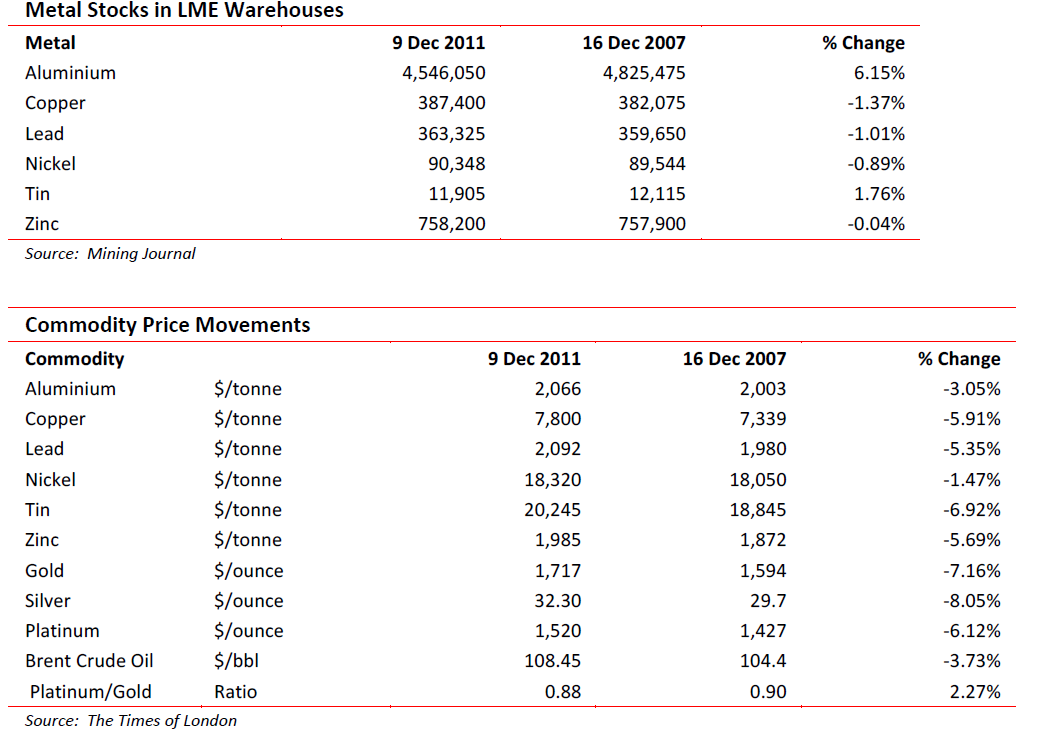
Hefty falls of 3-6% on the week and around 20% across the board for the year. Twelve months ago we were heralding continued recovery which indeed lasted through to mid-year. Just gold, silver and oil are higher than December 2010, but their trajectories are down. Not all is lost. Major Japanese trader Marubeni see an Aluminium supply deficit of 357,000t in 2013. That’s a tad precise and would hardly dent the 4.8Mt LME stockpile, but it is a start. They look for the price to start rising up towards $2800/t, compared with today’s $2000.
Bulk Minerals
There are no strong markets. Spot coal, iron ore, steel industry additives, are all under attack. Now we hear it for potash. Fact is, some bulk minerals are less soggy than others.
Potash. The favourite fertilizer mineral (usage 55-60 Mtpy) differs from all others in the agricultural sector. Whereas you can switch from coffee to tea to cocoa, from barley to wheat and from apples to oranges, you have little choice about what makes them all grow. Added to its attractions as an essential ore, its relatively limited occurrences and its demand profile (an increasing population base seeking better nutritional standards), this does not present it behaving like any other commodity in an economic downturn. Plants will still grow if you miss a season’s dressing. Thus the price for standard grade potash, c. $500-600 per tonne, rose to $900 in 2008 only to fall to $300-350 as the last recession set in. Now it has slipped to c. $460, inventories are building up at the Canadian mines and short time working is in force. This may persist until nearer the March-April growing season. The longer term outlook promises a return to tight conditions in later 2012 and a strong run until new production comes on stream (UK, Brazil, Ethiopia) in 5 years time.
The underlying threat is that of an economic slowdown in China.

Precious Metals
Not so Precious Eh? So what happened to the flight into Egypt? Sorry, to true stores of value? Gold for the affluent purists, silver for the wannabees and platinum for the cognoscenti? We devoted last week’s leader to warning that the bull run is – for the time being at least – running out of steam. There was a loud hiss of exhaust gases this week, so let’s perspectivise:
Views and forecasts abound. We had a chartist/technical analyst, Dr. Nu Yu, calling gold down to $1600 and lower. He is right so far. Then the not-shy Rob McEwan is going for $5000 – on this run we are with Nu Yu but don’t see $1000 being tested or the downside.
Another late entrant in the hedge betting stakes is Mr Murenbeeld of Dundee Wealth, he says there will be an upward explosion in the gold price (explosions do tend to go up) “at some point in time, but just when is difficult to judge”. Spot on.
Meanwhile his stable mate Frank Holmes of US Global Investors thinks $10,000/oz gold not unattainable. Slowly, painfully they are getting to our mark of $40,000 which is where all the gold would equal all the dollars and we would all live happily ever after.
Platinum deserves more attention because it is a real metal, like being used in industry as well as having decorative properties and a handle on non-destructibility. Then since over 70% of it comes from a tight corner of South Africa it doubly grabs the analyst’s attention. Output has fallen heavily in Rustenburg this year. They speak of 27% – 36%. The reasons? The Safety Inspectorate has caught up on the untenable accident rates and ordered increasingly frequent stoppages. Combined with overgenerous wage increases and allowances and a falling metal price, these are not happy days. Share prices speak loud.
[hr]
About David Hargreaves
David Hargreaves is a mining engineer with over forty years of senior experience in the industry. After qualifying in coal mining he worked in the iron ore mines of Quebec and Northwest Ontario before diversifying into other bulk minerals including bauxite. He was Head of Research for stockbrokers James Capel in London from 1974 to 1977 and voted Mining Analyst of the year on three successive occasions.
Since forming his own metals broking and research company in 1977, he has successfully promoted and been a director of several public companies. He currently writes “The Week in Mining”, an incisive review of world mining events, for stockbrokers WH Ireland. David’s research pays particular attention to steel via the iron ore and coal supply industries. He is a Chartered Mining Engineer, Fellow of the Geological Society and the Institute of Mining, Minerals and Materials, and a Member of the Royal Institution. His textbook, “The World Index of Resources and Population” accurately predicted the exponential rise in demand for steel industry products.


Christian Kopfer, analytiker på Arctic Securities, kommenterar läget på oljemarknaden till följd av kriget i Gulfen. Ännu så länge prisar marknaden in att situationen ändå löser sig, för fortsätter det 2-3 månader så går priset till 150-200 USD per fat.
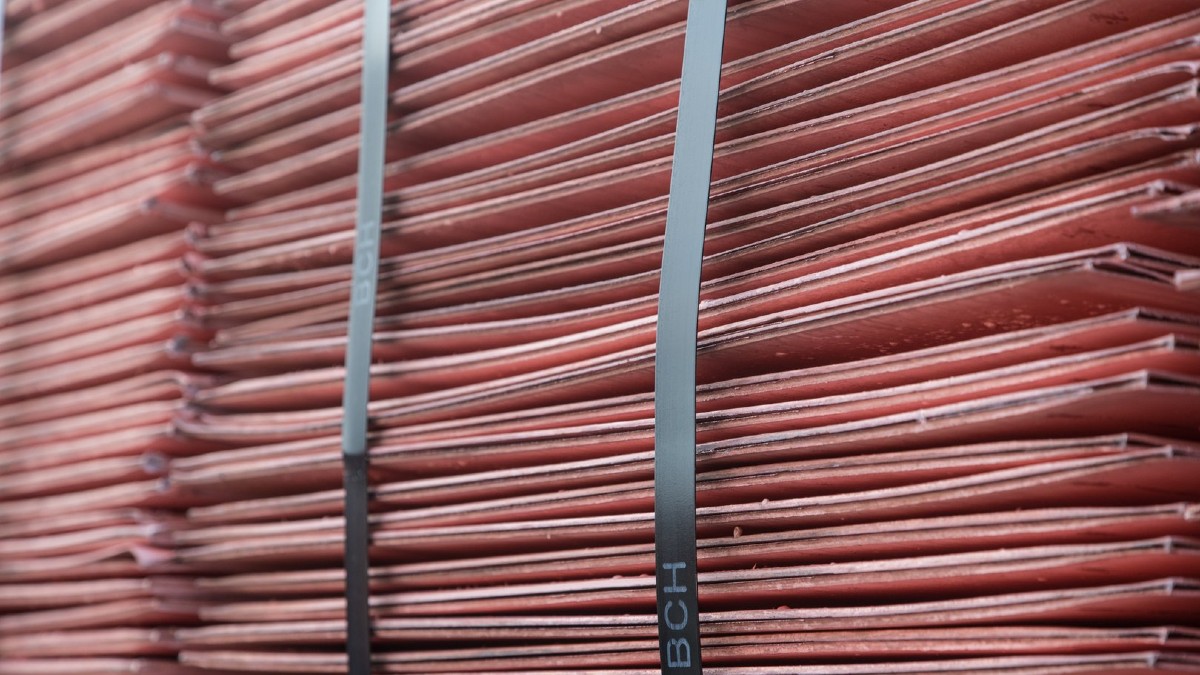
Johannes Grunselius, analytiker på SB1, lyfter fram koppar som den mest attraktiva råvaran i gruvsektorn just nu, och menar att det finns både starka strukturella och långsiktiga drivkrafter bakom efterfrågan. Historiskt har den globala efterfrågan på koppar vuxit med cirka 2–3 procent per år under de senaste 50 åren, men enligt honom står marknaden inför en ny fas där tillväxten kan accelerera till 3–4 procent årligen.
Denna uppväxling drivs framför allt av elektrifieringen av samhället. Koppar är en central komponent i allt från elnät och elfordon till den snabba utbyggnaden av datacenter kopplade till AI-investeringar. Det innebär att efterfrågan inte bara växer, utan gör det på ett mer strukturellt och långsiktigt sätt än tidigare.
Samtidigt pekar Grunselius på ett avgörande problem på utbudssidan. det finns inte tillräckligt med nya kopparprojekt för att möta den ökande efterfrågan. Den globala projektportföljen är otillräcklig, och det är enligt honom i praktiken “omöjligt” för industrin att öka produktionen i den takt som krävs. Slutsatsen blir att marknaden med stor sannolikhet går mot ett underskott, en global kopparbrist, inom några år.
Mot den bakgrunden blir stora nya fyndigheter extremt viktiga. Han lyfter särskilt fram Vicuna-projektet, där omkring 50 miljoner ton koppar har identifierats, motsvarande cirka två års global konsumtion. Det är den största kopparupptäckten på över 30 år och beskrivs som betydelsefull inte bara för enskilda bolag utan för hela industrin. Dessutom finns betydande inslag av guld och silver, vilket ytterligare stärker projektets ekonomiska värde.
Grunselius betonar också att kopparpriserna, trots viss nedgång från toppnivåer, fortfarande ligger på historiskt höga nivåer. Han menar att marknaden behöver börja betrakta dessa nivåer som ett “nytt normalt”, givet de starka fundamentala drivkrafterna i både efterfrågan och utbud.
Sammanfattningsvis är hans bild tydlig att kopparmarknaden står inför en period av strukturell tillväxt kombinerad med begränsat utbud, vilket skapar goda förutsättningar för fortsatt höga priser och gör koppar till en av de mest intressanta råvarorna för investerare.
I relation till koppar diskuterar Grunselius även utsikterna för Lundin Mining och Boliden.

När man följer oljepriset så är det vanligtvis priset på terminen som är närmast förfall man tittar på. Den handlas på börsen, det finns en stor likviditet, har hög transparens och går till lösen inom varje månad. Det är dock bara 1-3 procent av terminerna som går till fysisk leverans, resten avvecklas finansiellt och positionen rullas vidare till nästa termin.
När marknaden börjar skaka kan det därför vara intressant att även titta på ”dated brent”, dvs spotpriset på brentolja med fysisk leverans, där leverans vanligtvis sker inom 10-25 dagar.
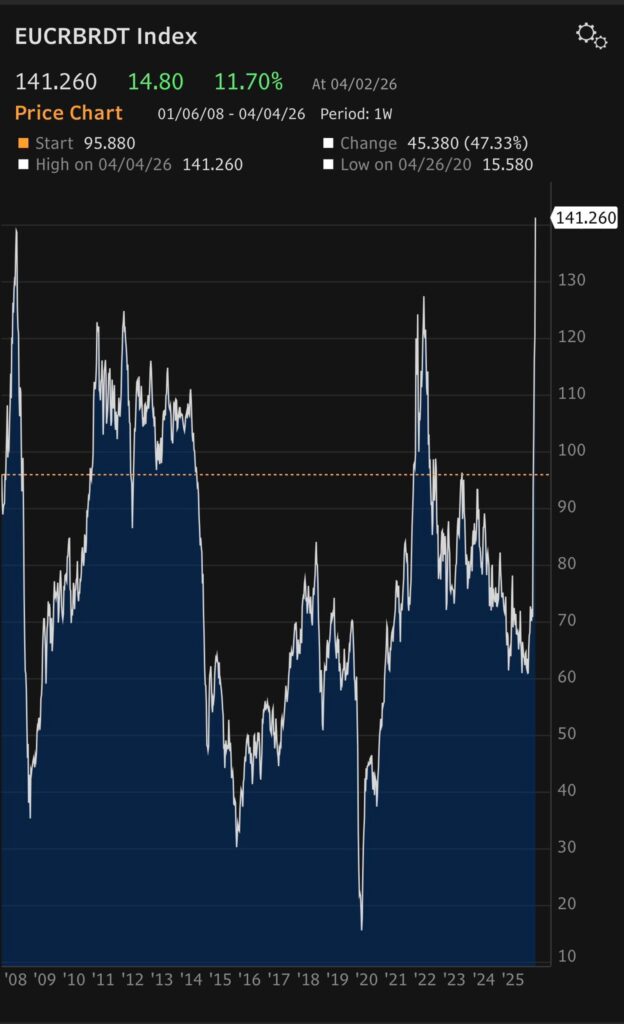
Terminspriset på brentolja är nu 109 USD per fat. Men dated brent-priset är 141 USD! Enligt grafen nedan är det det högsta priset någonsin. Medan andra uppgifter säger att rekordet fortfarande är juli 2008 då det var 147-148 USD. Oavsett vilket, den aktuella prisnivån är enormt hög och viljan att betala ett rejält högre pris än terminspriset tyder på att köpare upplever att det är fysisk brist på olja.



Christian Kopfer om läget för oljan

Marknaden måste börja betrakta de höga kopparpriserna som det nya normala

Det fysiska spotpriset på brentolja har slagit nytt rekord

40 minuter med Javier Blas om hur världen verkligen påverkas av energikrisen

Efter tillväxten: Guldbrev satsar på expansion i Europa
40 minuter med Javier Blas om hur världen verkligen påverkas av energikrisen

Elpriserna fördubblas, stor osäkerhet inför sommaren

MP Materials, USA:s svar på Kinas dominans över sällsynta jordartsmetaller
Det fysiska spotpriset på brentolja har slagit nytt rekord

Studsvik har idag ansökt om att få bygga 1200-1600 MW kärnkraft i Valdemarsvik
-
 Nyheter2 veckor sedan
40 minuter med Javier Blas om hur världen verkligen påverkas av energikrisen
-
 Nyheter3 veckor sedan
Elpriserna fördubblas, stor osäkerhet inför sommaren
-
 Nyheter4 veckor sedan
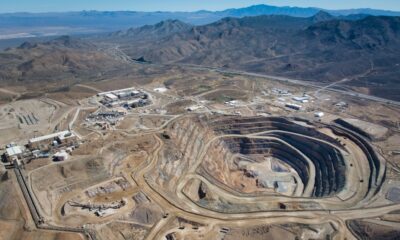
MP Materials, USA:s svar på Kinas dominans över sällsynta jordartsmetaller
-
 Nyheter2 veckor sedan
Det fysiska spotpriset på brentolja har slagit nytt rekord
-
 Nyheter4 veckor sedan
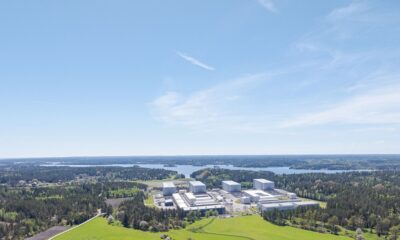
Studsvik har idag ansökt om att få bygga 1200-1600 MW kärnkraft i Valdemarsvik
-
 Nyheter2 veckor sedan
Marknaden måste börja betrakta de höga kopparpriserna som det nya normala
-

 Nyheter4 veckor sedan
Matproduktion är beroende av gödsel, Gulfkriget skapar brist
-
 Analys4 veckor sedan
TACO (or Whatever It Was) Sends Oil Lower — Iran Keeps Choking Hormuz